

Three tools, one system, designed for faster, cheaper, union built affordable homes.
Working Families Housing combines a few key tools into one system for funding and building affordable homes; faster, cheaper, and built to last. This framework serves as a local, public alternative to traditional tax credit financing, the most common way affordable homes get built today. Together, these tools form an innovative ecosystem for funding affordable homes with a variety of benefits.
Here’s what that looks like in practice. Picture an affordable housing project in Santa Clara County. Instead of piecing together financing from a dozen sources, Working Families Housing relies on a partnership with labor unions, bringing union pension funds in to help finance it.
Because cities and the county back the loan together through the JPA, the project borrows at a lower cost, lowering the overall cost for the entire development.
The project is then built with union labor, creating 100s of jobs with fair wages, benefits, and apprenticeship pathways every year.
As families move in and pay rent, that rent pays down the loan, and once it’s repaid, the same money funds the next project.
The result: homes built roughly twice as fast and at much lower cost than the traditional system allows.

Unlocking Billions In New Financing
UNION PENSION FUNDS
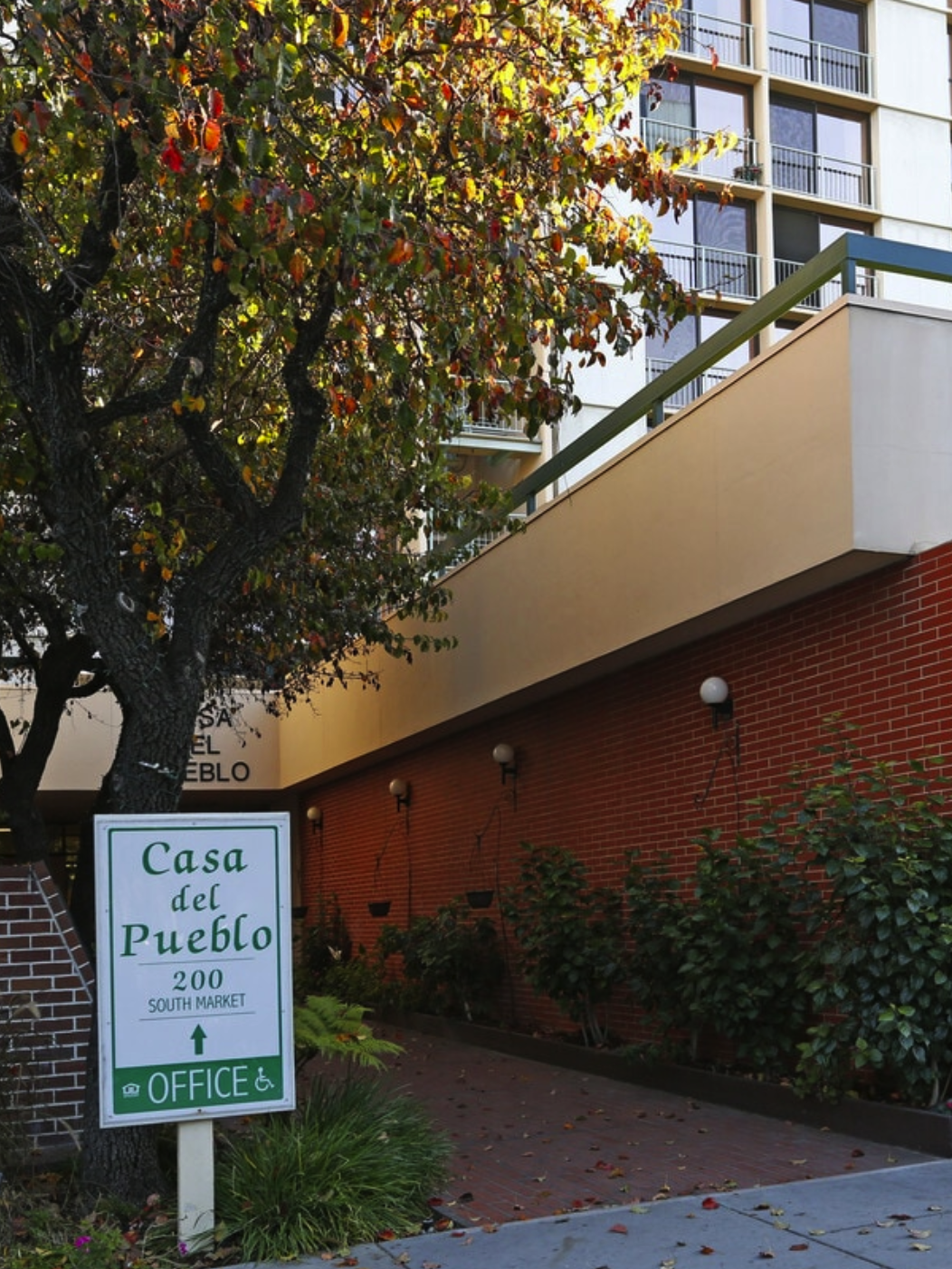
The labor movement has historically played a critical role in providing affordable homes across America, such as the tens of thousands of homes built across New York under a union-led cooperative housing model. By crafting new innovative financing and governance structures, Working Families Housing would empower labor pension funds to directly invest in building thousands of new homes here in Santa Clara County.
Today, labor continues to invest in affordable homes through funds like the AFL-CIO Housing Investment Trust (HIT), which have enabled large projects that are built with 100% good, union jobs. Across California and here in the Bay Area, pension funds hold trillions of dollars in assets, accrued from hundreds of thousands of workers and multiplied through investment strategies. Presently, because pension boards are required to be financially risk adverse, it’s near impossible for pension funds to invest members’ pension dollars into financing affordable homes in the Bay Area.
With new financial tools, led by our local governments, this model allows government and organized labor to work hand-in-hand to solve our housing crisis.
Which specific tools would enable this historic partnership for building affordable homes cheaply, quickly, and with quality, well-paying union jobs?
Public money that keeps building
REVOLVING PUBLIC EQUITY
A revolving public equity fund is a self-replenishing pool of money. It’s one initial investment that keeps cycling back into new projects. This model offers a powerful way for communities to invest in their own future.
Most affordable housing subsidies are a one time investment. Public dollars fund a project, the project gets built, and funding is exhausted. This cycle gets repeated for every new project. Revolving public equity works differently. Instead of spending on the project once, it invests it into a housing project that earns steady returns. In a few years, the project can be refinanced, the original investment comes back and goes straight into the next one project, and the one after that. An initial pool of $400 million, raised through bonds, could create 20,000 homes over 20 years, with only $7.2 million in annual public support needed to keep it going. Montgomery County, Maryland’s $100 million Housing Production Fund has used this approach to finance and reinvest in multiple affordable housing projects over 20 years, maintaining public ownership and protecting affordability throughout.

This also replaces one of the most expensive aspects of traditional affordable housing development: private equity. Private equity investors expect significant returns, and those returns get passed down to renters or absorbed by scarce public subsidy. Revolving public equity removes that cost, replacing it with public capital that doesn’t expect massive profit margins.
Public investment also means communities and local governments have a real say in how projects are run, what rents are charged, and how the financial returns get reinvested back into the community.
Expanding Capacity Through Regional Partnerships
Santa Clara County has 15 cities and towns, each with its own budget, its own planning process, and its own housing goals. Right now, those cities are largely working in parallel. Each city is limited to what it can accomplish on its own, without the shared infrastructure that would allow them to move faster, coordinate resources, and stretch every public dollar further.
A Joint Powers Authority(JPA) changes that. A JPA is a legal structure that allows two or more public agencies across multiple cities to combine their powers and resources to tackle a problem none of them could solve alone. Santa Clara County already has a successful example: Silicon Valley Clean Energy, a JPA that pools resources across multiple cities to deliver clean energy to residents more efficiently and cost-effectively than any single city could manage on its own.
A housing JPA would work the same way, but for building homes. Cities and the county would create a single, dedicated housing agency with the authority to develop, finance, and manage affordable housing across jurisdictions. That shared structure unlocks several things that aren’t possible when cities work alone:
Lower cost
Right now, every city that wants to develop affordable housing has to build its own administrative infrastructure to do it: staff, legal work, financing expertise. A JPA shares that infrastructure across all participating cities, cutting duplicated overhead and directing more of every public dollar toward actually building homes.
Faster development
One agency with a clear mandate moves faster than a dozen separate approval processes running in parallel. More homes get built, and at the scale we need.
Stronger financing
When a single city tries to back a housing project, lenders look at that one city’s finances and price the loan accordingly. When the county, San Jose, and multiple cities stand behind a project together through a JPA, lenders see a much stronger guarantor, and offer significantly better borrowing terms as a result. That lower cost of borrowing flows directly into more affordable rents and more homes built per public dollar spent.
Local control
Joining a JPA gives cities more control over their housing outcomes. Instead of depending on federal funding or private developers, cities shape the priorities directly. And because resources are pooled across jurisdictions, no single city has to put its own budget on the line to make a project happen.